
As documented and narrated by Rangoli Dhingra.
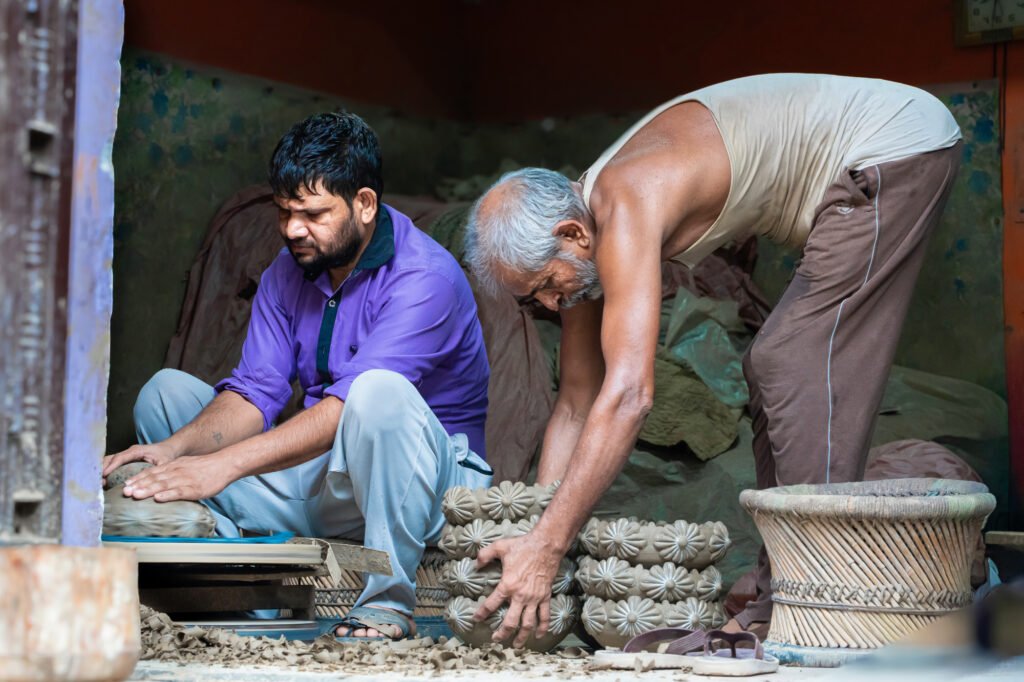
In the narrow lanes of Uttamnagar, a lesser-known enclave in West Delhi, the tactile craft of pottery survives on the margins of a city chasing factory-made uniformity. Here, shaping earth is not a commercial afterthought; it is a lived, inherited language.
The process relies entirely on the artisan’s intuition, the precise pressure of a thumb, the unbroken rhythm of the wheel, and a generational understanding of soil, water, and fire. Every vessel carries the physical signature of its maker. There is no mass-produced perfection here, only the honest, imperfect reality of hands working raw clay.
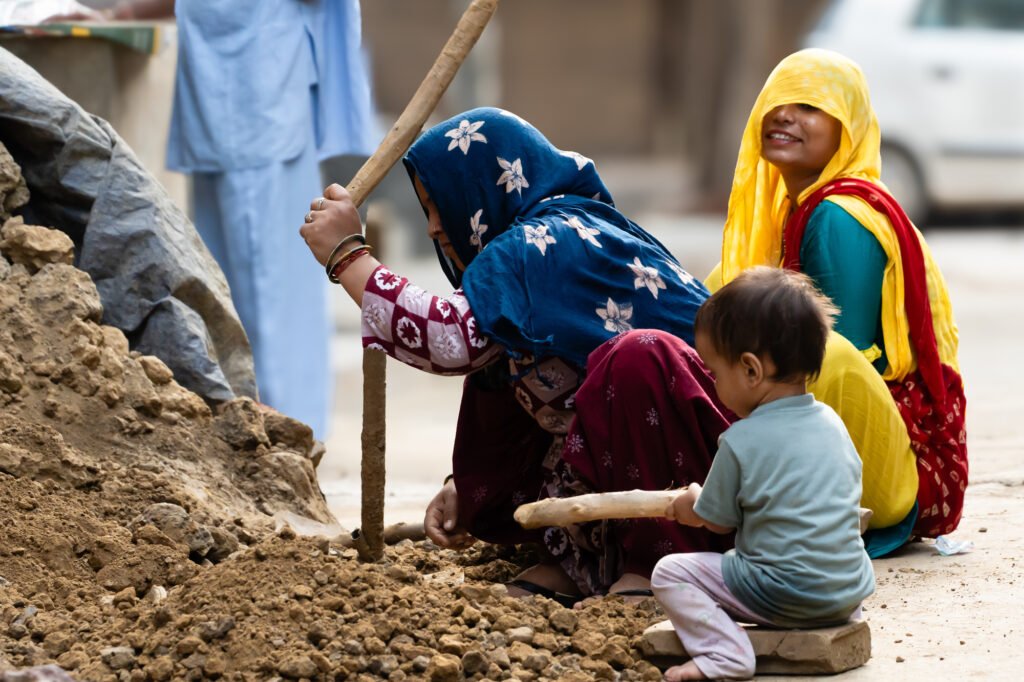
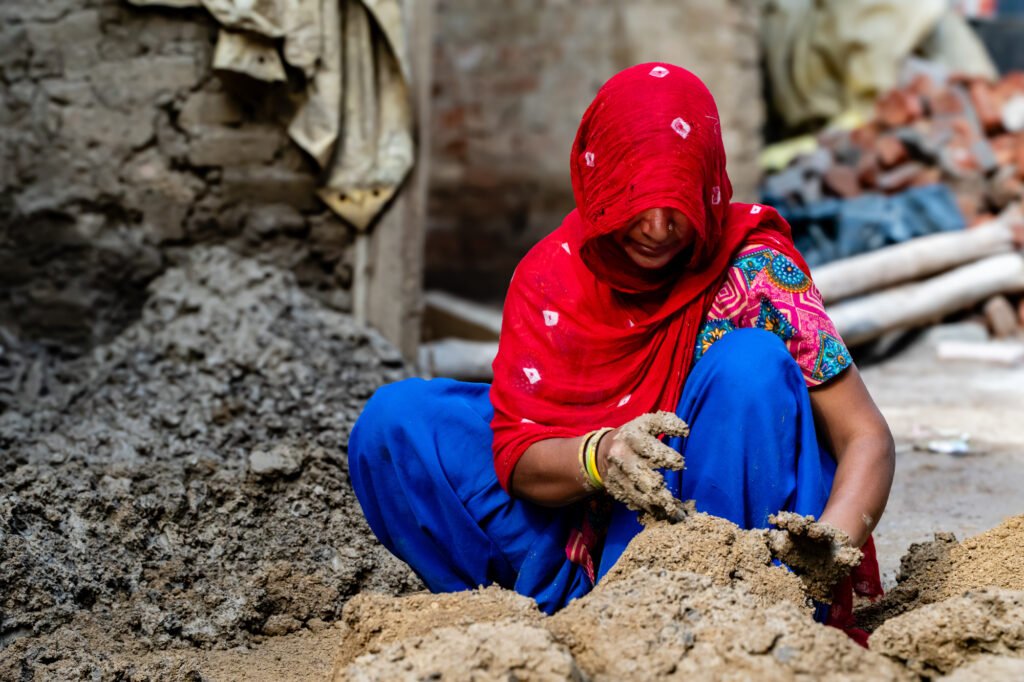
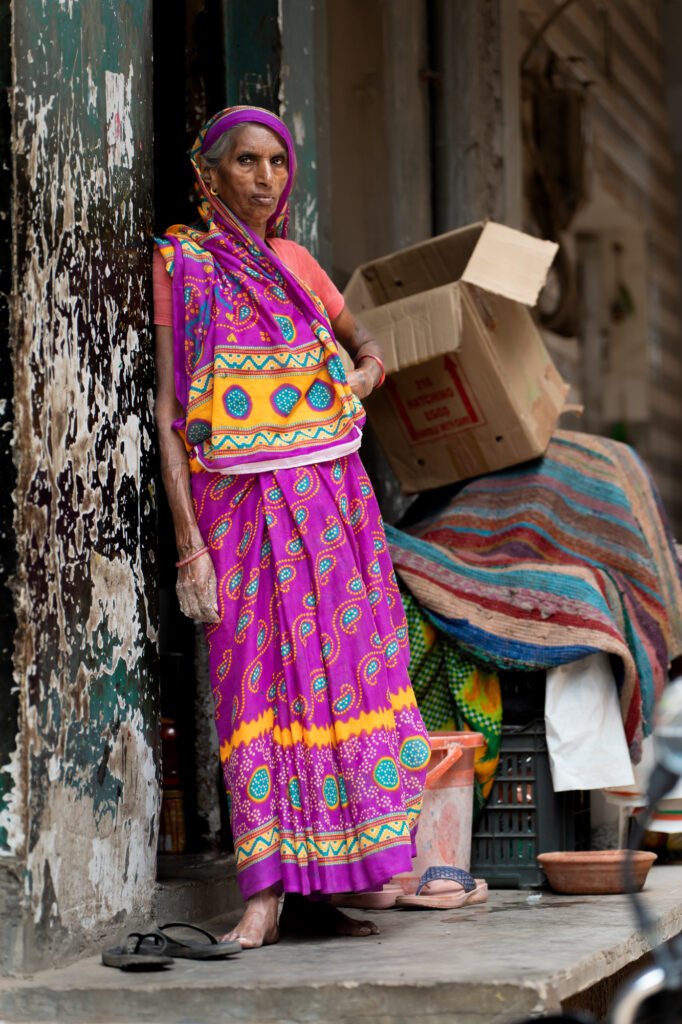
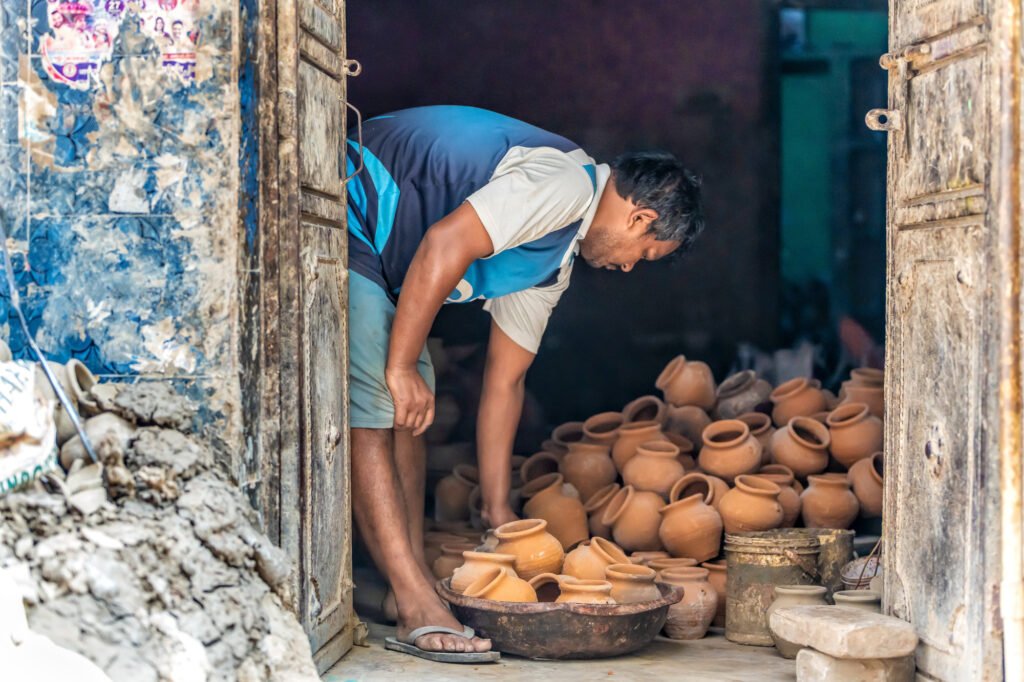
This enclave is sustained largely by the quiet resilience of women. Artisans like National Award-winner Angoori Devi, Shanta Devi, and Kumud ji continue a legacy that predates the modern demand for convenience. Yet, despite their immense skill and the deep memory carried within their craft, these potters often operate in the shadows, their labor overlooked by mainstream markets.
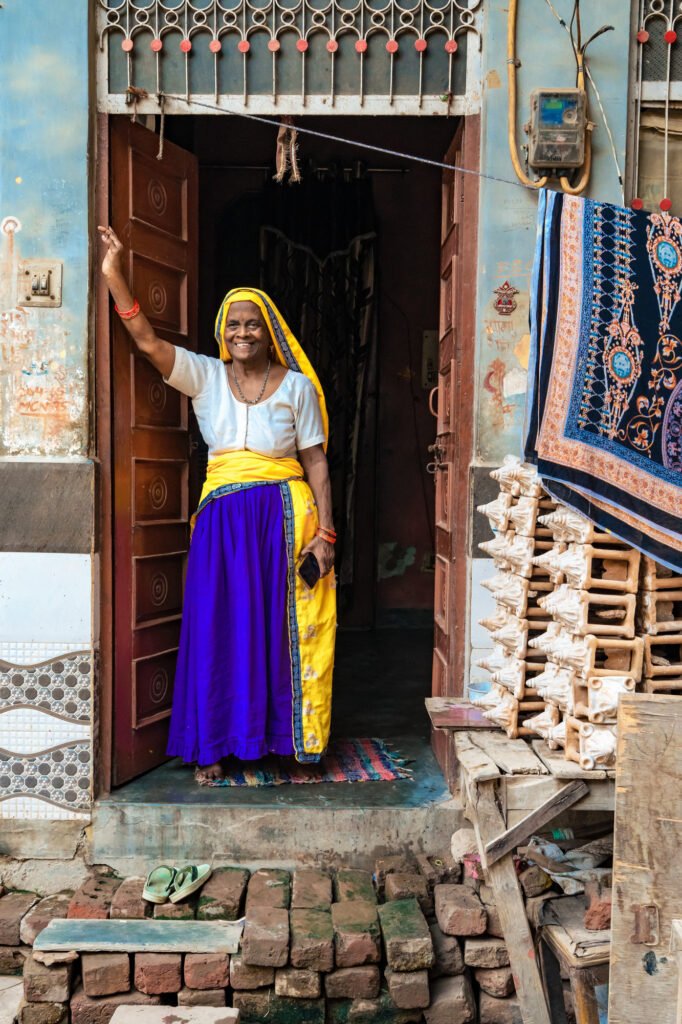
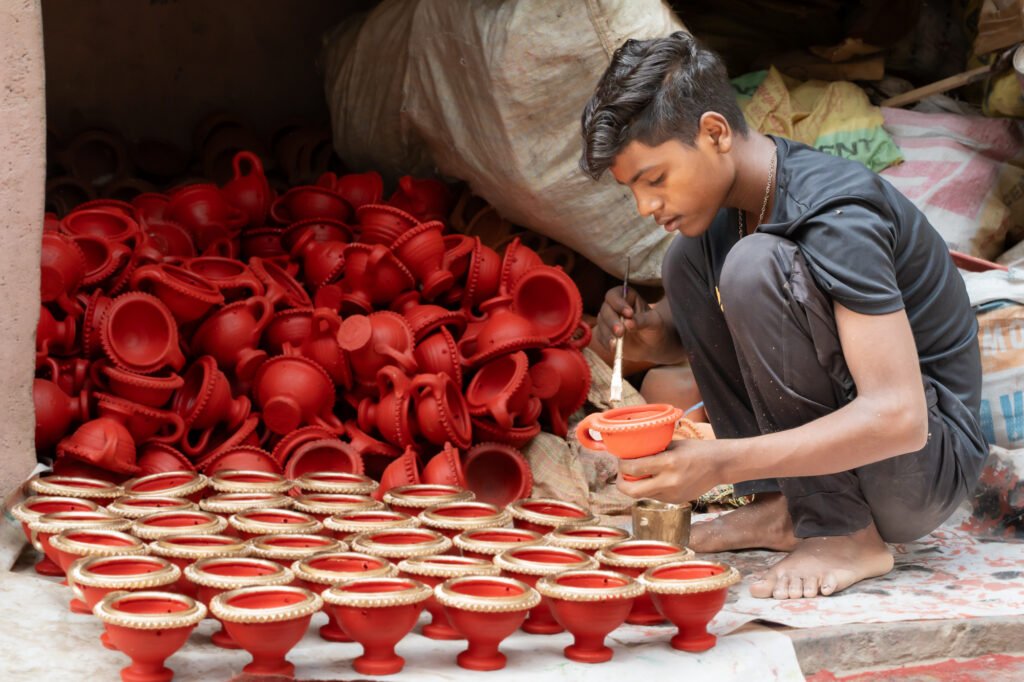
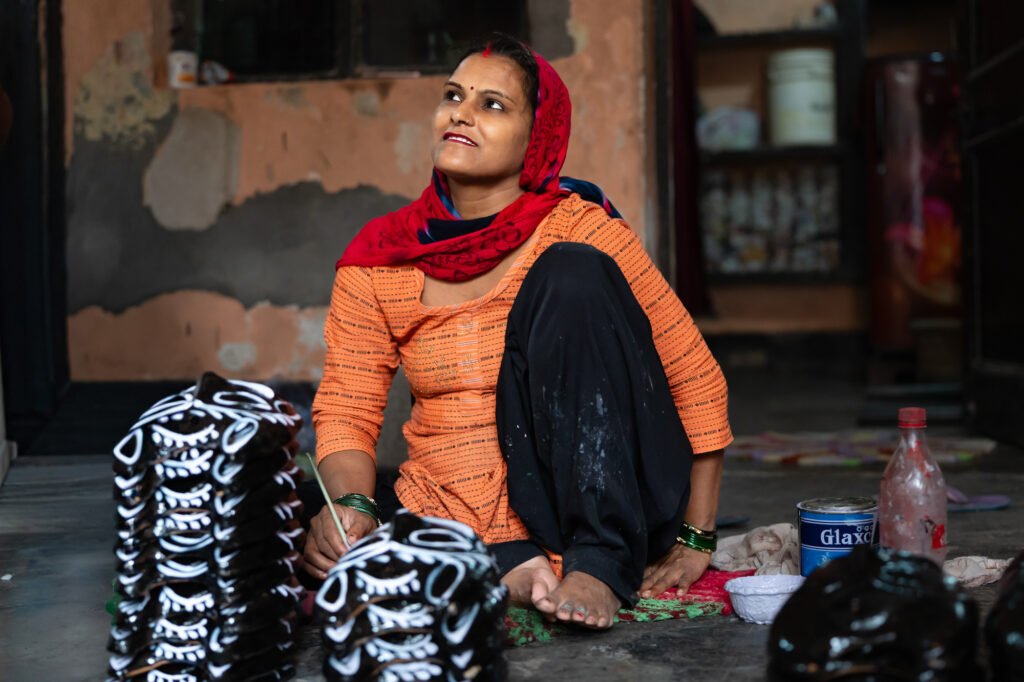
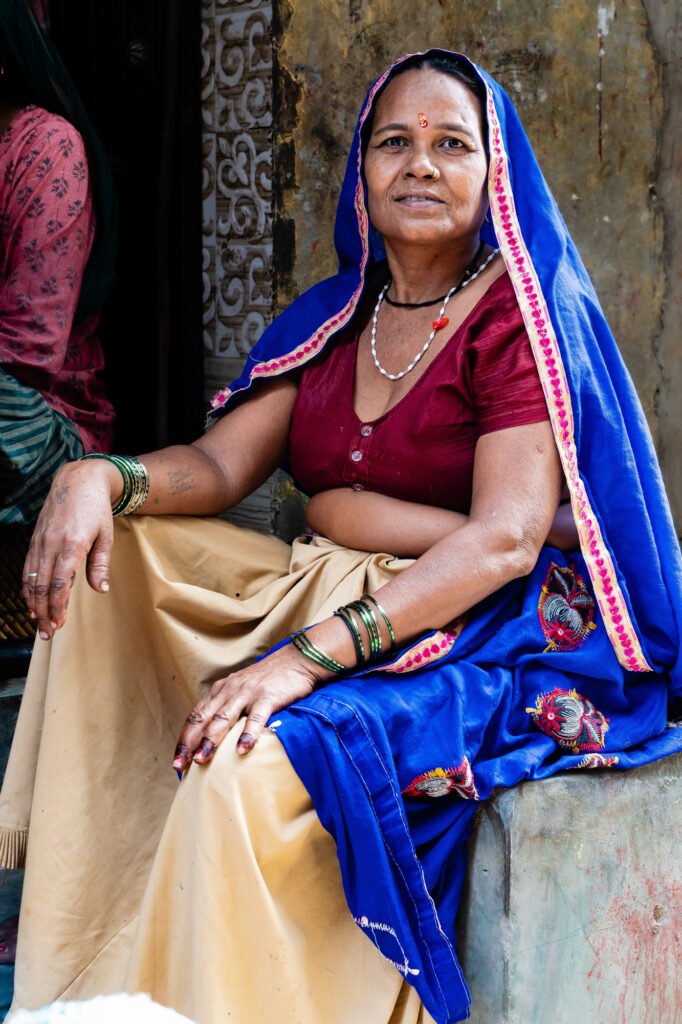
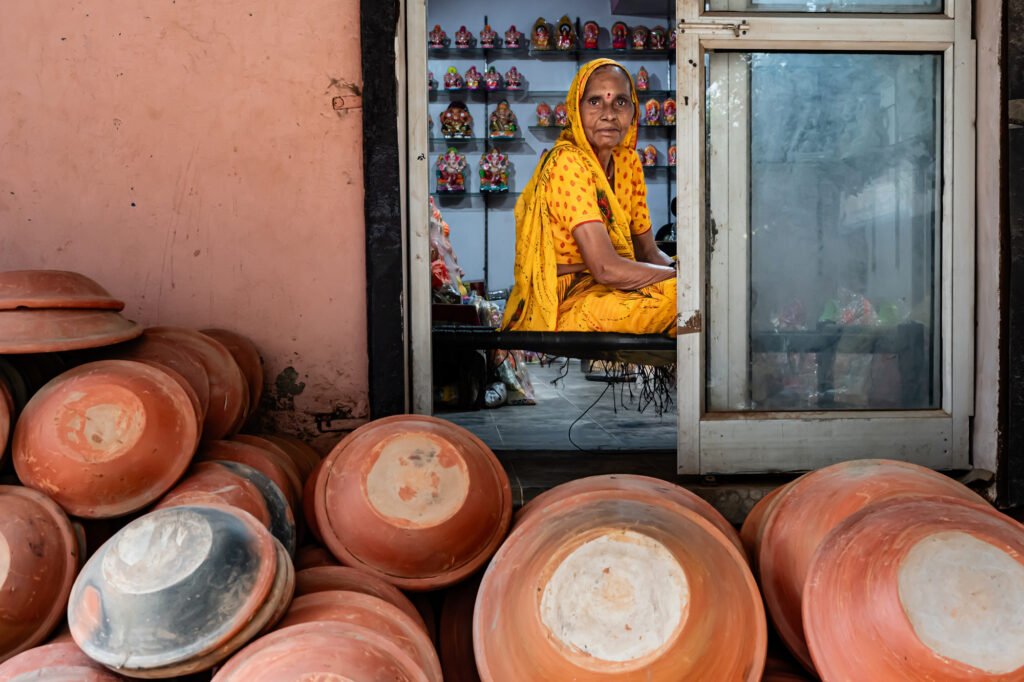

Documenting Uttamnagar is an observation of a precious craft fighting for space. It is a reminder that behind every handmade vessel is a profound history of patience, endurance, and the slow, deliberate work of shaping the earth.
About Rangoli: A passionate photographer, academic counsellor, and lifelong student, Rangoli deeply identifies with her multifaceted roles, including her background as a Navy wife and daughter. Neurodiversity and inclusion are close to her heart, driving her volunteer work with CWSN and her studies in Indian Sign Language. Fascinated by people, places, and diverse cultures, she is currently discovering the world city by city, with a specific focus on street, travel, temple architecture, and portrait photography.